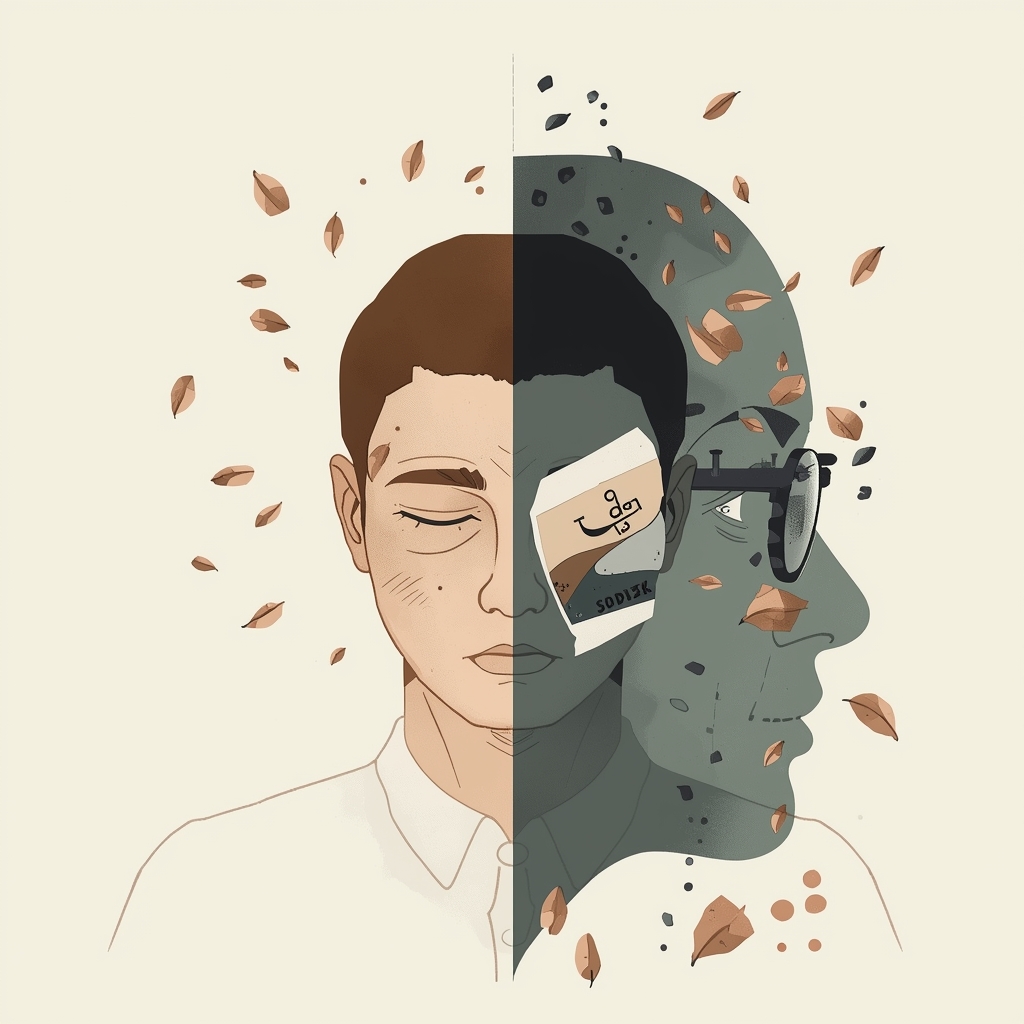

If you keep wondering why you cave even when you know better, this isn’t about discipline — it’s about exhaustion.
Most people don’t lose control because they don’t care.
They lose control because they’ve been holding it together for too long.
When you’re tired — mentally, emotionally, or physically — the part of you that says “just get through this” gets louder than the part that says “I know better.”
That doesn’t mean you’re weak.
It means you’re depleted.
Marcus Aurelius wrote about this problem nearly two thousand years ago — not as a philosopher giving advice, but as someone fighting daily against impulses, fatigue, and the urge to escape discomfort.
He understood something modern addiction science now confirms: self-control doesn’t fail because people are weak. It fails when the mind is overloaded, exhausted, and pushed past its limits.
For someone struggling with addiction, this exhaustion isn’t theoretical. It’s daily life — managing cravings, resisting habits, carrying guilt, and trying to function while constantly saying “not today.”
The real problem isn’t willpower — it’s depletion
We tend to think of addiction as a lack of self-control.
But in reality, addiction behaves more like an energy problem than a character problem. When mental and emotional reserves run low, the brain defaults to relief — not reason.
When your mind is constantly managing stress, decisions, expectations, or emotional weight, there’s less left over to resist impulses — even the ones you genuinely want to avoid.
So when control slips, it’s not because you stopped caring.
It’s because you’ve been carrying too much for too long.
Pause for a moment
If any part of this feels familiar, it’s worth slowing down here.
Not to judge yourself — but to notice what your mind does when it’s tired, pressured, or stretched too thin. This is especially true in addiction, where relapse often happens not during chaos — but during quiet exhaustion.
Marcus Aurelius didn’t write to motivate himself.
He wrote to steady himself — to stay clear-headed when exhaustion made everything harder than it needed to be.
That perspective is explored more deeply in Overcoming Addiction With Stoic Wisdom, not as a solution to force change, but as a way to reduce the inner pressure that makes relapse more likely.
This reflection is explored more deeply in Overcoming Addiction With Stoic Wisdom — not as a quick fix, but as a way to reduce pressure, rebuild clarity, and interrupt relapse patterns before they begin.

Read at your own pace. No pressure — just something to return to when you’re ready.