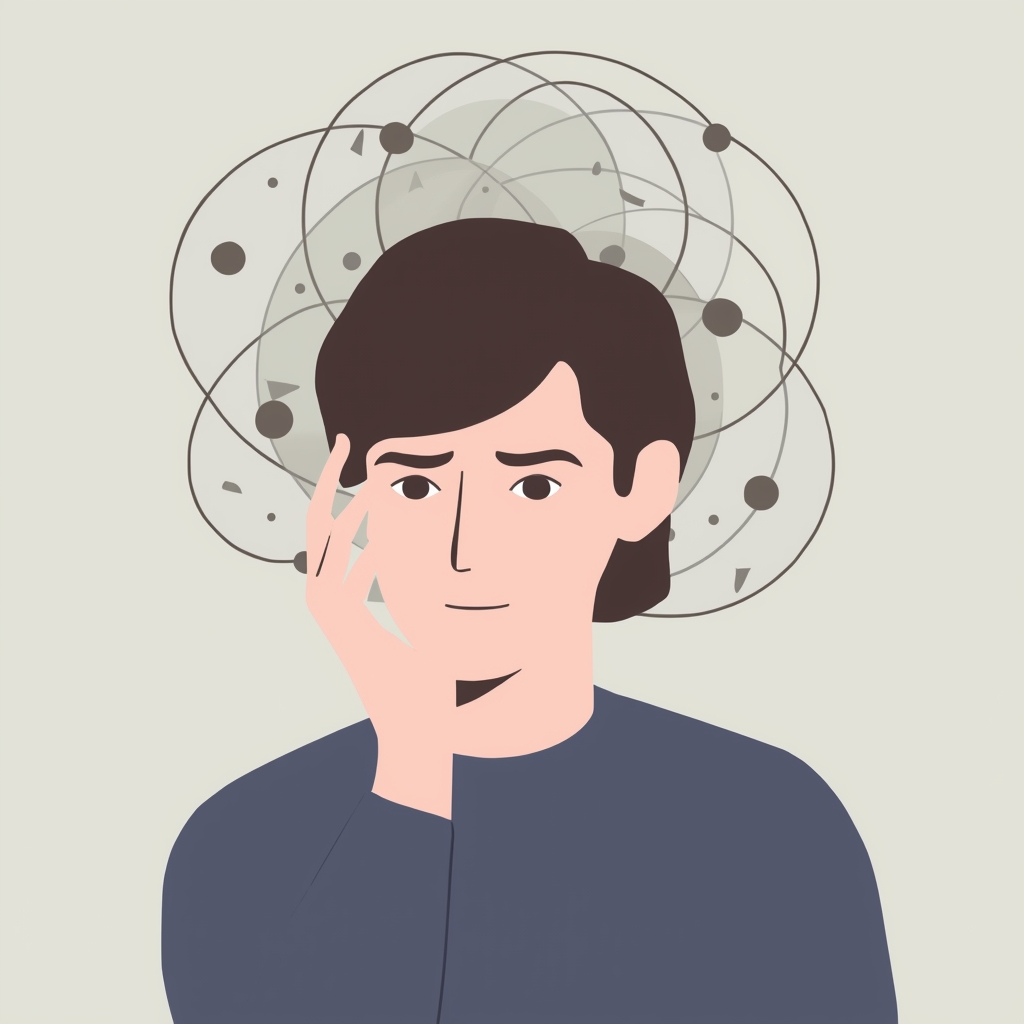

WHY YOUR BODY STAYS ON EDGE EVEN WHEN LIFE LOOKS FINE
Anxiety doesn’t always arrive with panic or obvious fear.
Sometimes it settles in quietly — as tension, restlessness, or a constant sense of unease that never fully leaves.
This is often the most confusing kind of anxiety, because nothing appears “wrong.” Your life may be stable. You may be functioning. And yet your nervous system never seems to fully relax.
This experience isn’t a failure of mindset. It’s a sign of prolonged strain.
WHY ANXIETY ISN’T ALWAYS ABOUT FEAR
We tend to associate anxiety with danger. But anxiety doesn’t only come from fear — it often comes from load.
Mental load.
Emotional load.
Responsibility carried without pause.
When the nervous system spends long periods managing stress, it adapts by staying alert. Over time, that alertness becomes the baseline.
What you experience as “constant anxiety” may actually be a system that never learned when it was safe to stand down.
WHY YOUR BODY DOESN’T RESPOND TO LOGIC
You may tell yourself that you’re safe. That things are okay. That nothing bad is happening.
But anxiety isn’t logical — it’s physiological.
The nervous system responds to patterns, not explanations. If your body learned that life requires constant vigilance, reassurance alone won’t turn that off.
This is why anxiety can persist even when you know you’re fine.
THE COST OF CHRONIC STRESS YOU’VE NORMALIZED
Many people with constant anxiety don’t feel stressed anymore — they feel accustomed to it.
Being the responsible one.
Holding everything together.
Staying ahead of problems before they happen.
Over time, unresolved stress stops feeling dramatic and starts feeling invisible. But the body continues to carry it.
Anxiety often emerges when there has been too much endurance without relief.
WHY THIS KIND OF ANXIETY FEELS ENDLESS
When anxiety is tied to specific fears, it comes and goes.
When it’s tied to long-term strain, it becomes constant.
There’s no clear trigger.
No clear resolution.
Just ongoing alertness that slowly becomes exhausting.
This doesn’t mean something is wrong with you. It means something has been demanding your nervous system for too long.
WHAT ACTUALLY HELPS (WITHOUT TRYING TO FIX YOURSELF)
Constant anxiety doesn’t respond well to force.
It softens through reduction, not correction:
- Less pressure
- Less urgency
- Fewer expectations to “be okay”
Relief begins when the body experiences safety again — not when anxiety is argued away.
Some people prefer to read slowly and privately. If that’s you, you can subscribe here.
Some readers like following along on Facebook for shorter notes between articles.