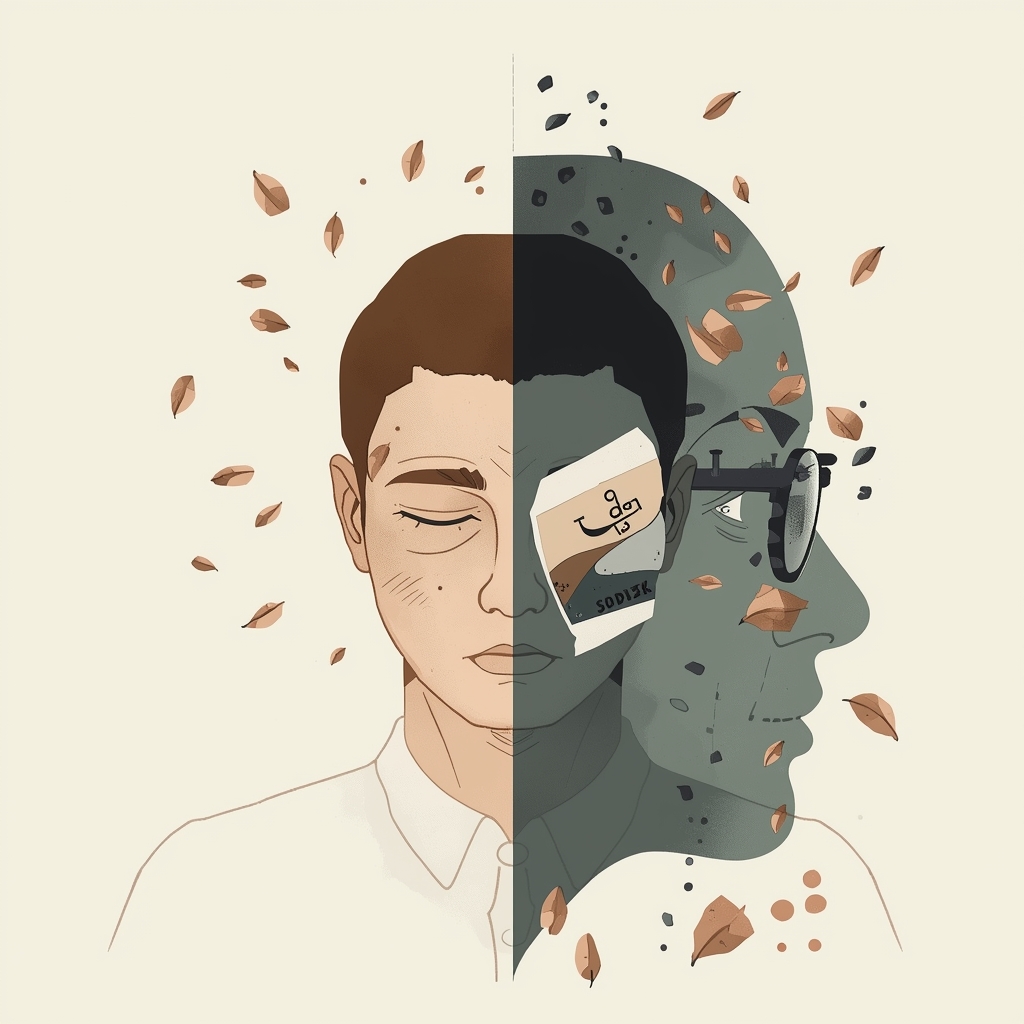

WHY DISCIPLINE DISAPPEARS WHEN YOU NEED IT MOST
Self-control often feels dependable — until it isn’t.
You may handle things well most of the time, only to find that when stress rises, discipline disappears. Habits you thought were under control resurface. Impulses get stronger. And afterward, the same question follows:
Why can’t I just hold it together when things get hard?
This experience isn’t a personal flaw. It’s a predictable response to strain.
WHAT SELF-CONTROL ACTUALLY REQUIRES
Self-control isn’t just about wanting something badly enough.
It relies on several internal systems working together:
- Emotional regulation
- Decision-making capacity
- Inhibitory control
- Mental energy
All of these require resources. And like any resource, they can be depleted.
HOW STRESS HIJACKS SELF-CONTROL
Stress shifts the nervous system into survival mode.
When this happens, the brain prioritizes:
- Immediate relief
- Familiar comfort
- Short-term regulation
Long-term goals lose influence — not because you don’t care, but because the system is trying to reduce discomfort as quickly as possible.
Under stress, self-control doesn’t disappear.
It gets overridden.
WHY WILLPOWER FAILS FIRST
Willpower is often treated like a character trait.
In reality, it’s a limited capacity.
Prolonged stress drains it faster than motivation can replenish it. The harder you push, the more resistance builds.
This is why “trying harder” often leads to collapse rather than control.
WHAT THIS MEANS FOR HABITS AND ADDICTION
Relapse and impulsive behavior are frequently stress responses — not failures of intention.
When discipline breaks down, shame tends to follow. But shame increases stress, and stress weakens self-control further.
Understanding this pattern is often the first step toward changing it.
WHAT ACTUALLY HELPS
Self-control improves when pressure decreases.
That doesn’t mean giving up — it means supporting capacity:
- Fewer demands
- Less urgency
- More recovery
Discipline stabilizes when the system no longer feels under constant threat. when the body experiences safety again — not when anxiety is argued away.
Some people prefer to read slowly and privately. If that’s you, you can subscribe here.
Some readers like following along on Facebook for shorter notes between articles.